
Water storage plays a critical role in maintaining water quality, ensuring uninterrupted supply, and supporting the long-term needs of a property. Whether you are storing water for a home, apartment complex, commercial facility, educational institution, healthcare center, or industrial application, selecting the right SS Tank requires more than simply choosing a size.
A well-designed Stainless Steel Tank should align with your water consumption patterns, installation conditions, environmental factors, and long-term storage requirements. Making the right choice from the beginning can help improve water hygiene, reduce maintenance concerns, and deliver reliable performance for years.
Understanding What an SS Tank Is
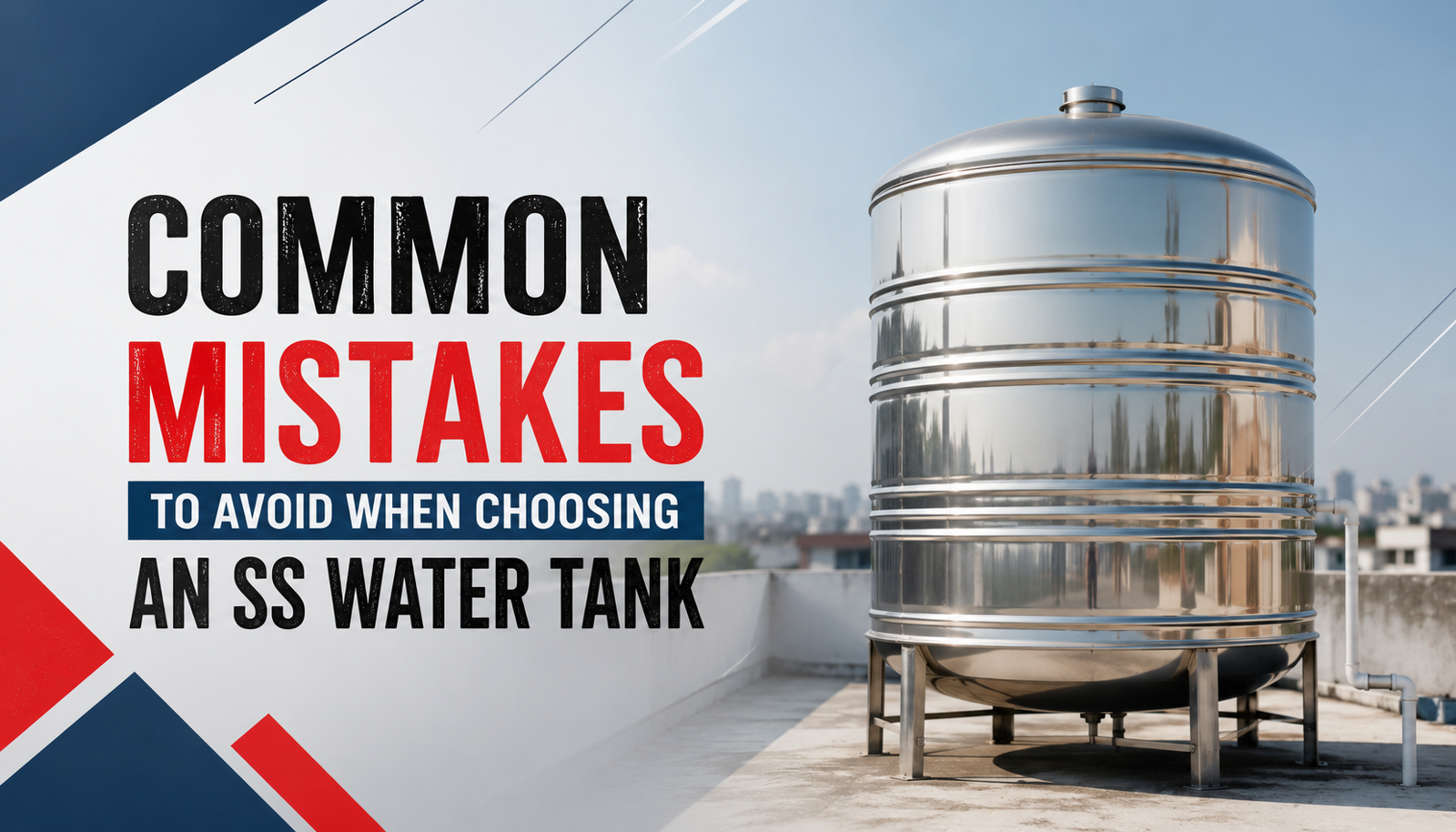
An SS Tank, or Stainless Steel Tank, is a storage system manufactured using corrosion-resistant stainless steel. These tanks are widely used for potable water storage because stainless steel offers excellent durability, structural strength, and hygienic properties.
Unlike many conventional storage materials, stainless steel is non-porous and resistant to corrosion when manufactured using appropriate grades. This makes it suitable for storing water intended for domestic, commercial, and industrial use.
Today, stainless steel tanks are commonly used in residential buildings, housing societies, hospitals, hotels, schools, manufacturing facilities, and various sectors where maintaining water quality is a priority.
Start by Assessing Your Water Storage Needs
The first step in choosing the right SS Tank is understanding how much water you need to store on a daily basis. Water consumption varies significantly depending on the type of property and the number of users.
For a residential property, factors such as family size, daily consumption habits, kitchen usage, bathroom requirements, and gardening needs should be considered. Commercial establishments may need to account for employee usage, customer footfall, and operational requirements. Industrial facilities often require storage capacity based on process water demand and production schedules.
Selecting a tank without evaluating actual consumption can result in inadequate storage capacity or unnecessary oversizing. A properly sized tank ensures efficient water management while supporting future requirements.
Evaluate the Available Installation Space
Many buyers focus on capacity but overlook installation constraints. Before selecting a Stainless Steel Tank, it is important to assess the available space and determine whether a vertical or horizontal design is more suitable.
For rooftop installations, structural load-bearing capacity should be evaluated alongside accessibility for installation and maintenance. Ground-level installations require sufficient clearance for inspection, cleaning, and future servicing.
In locations with limited space, customized tank dimensions can help maximize storage efficiency without compromising accessibility. Choosing a tank that integrates seamlessly with the available area contributes to both operational convenience and long-term usability.
Select the Right Stainless Steel Grade
The quality of stainless steel used in tank fabrication directly influences durability and corrosion resistance. This is one of the most important factors when selecting an SS Tank.
SS304 is commonly used for potable water storage because of its excellent corrosion resistance and suitability for hygienic applications. In environments where exposure to higher chloride concentrations is expected, such as coastal regions, SS316 may provide enhanced resistance against corrosion.
The appropriate material grade should always be selected based on the water source, environmental conditions, and intended application. Investing in the right stainless steel grade contributes significantly to the lifespan and performance of the tank.
Consider Your Water Source
Not all water sources have the same characteristics. Municipal water, borewell water, treated water, and harvested rainwater may differ in mineral composition and storage requirements.
Understanding the quality of incoming water helps determine the most suitable tank configuration and material specifications. Factors such as mineral content, dissolved salts, and environmental exposure can influence long-term tank performance.
Choosing a tank that complements the characteristics of your water source helps preserve water quality and supports reliable storage over time.
Why Insulation May Be Important
Climate conditions can have a considerable impact on stored water. In regions that experience high temperatures, prolonged exposure to heat may increase water temperatures within the storage system.
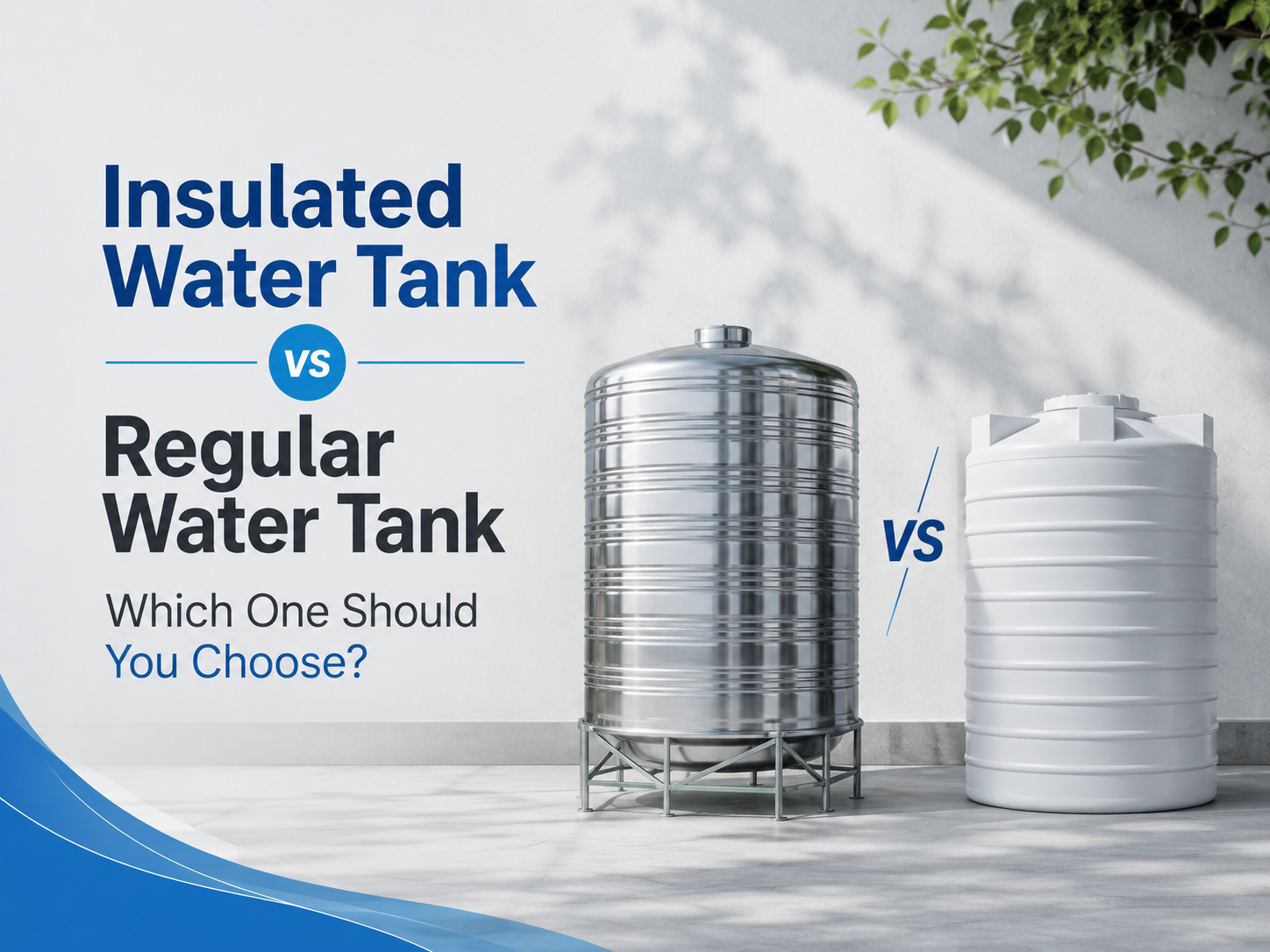
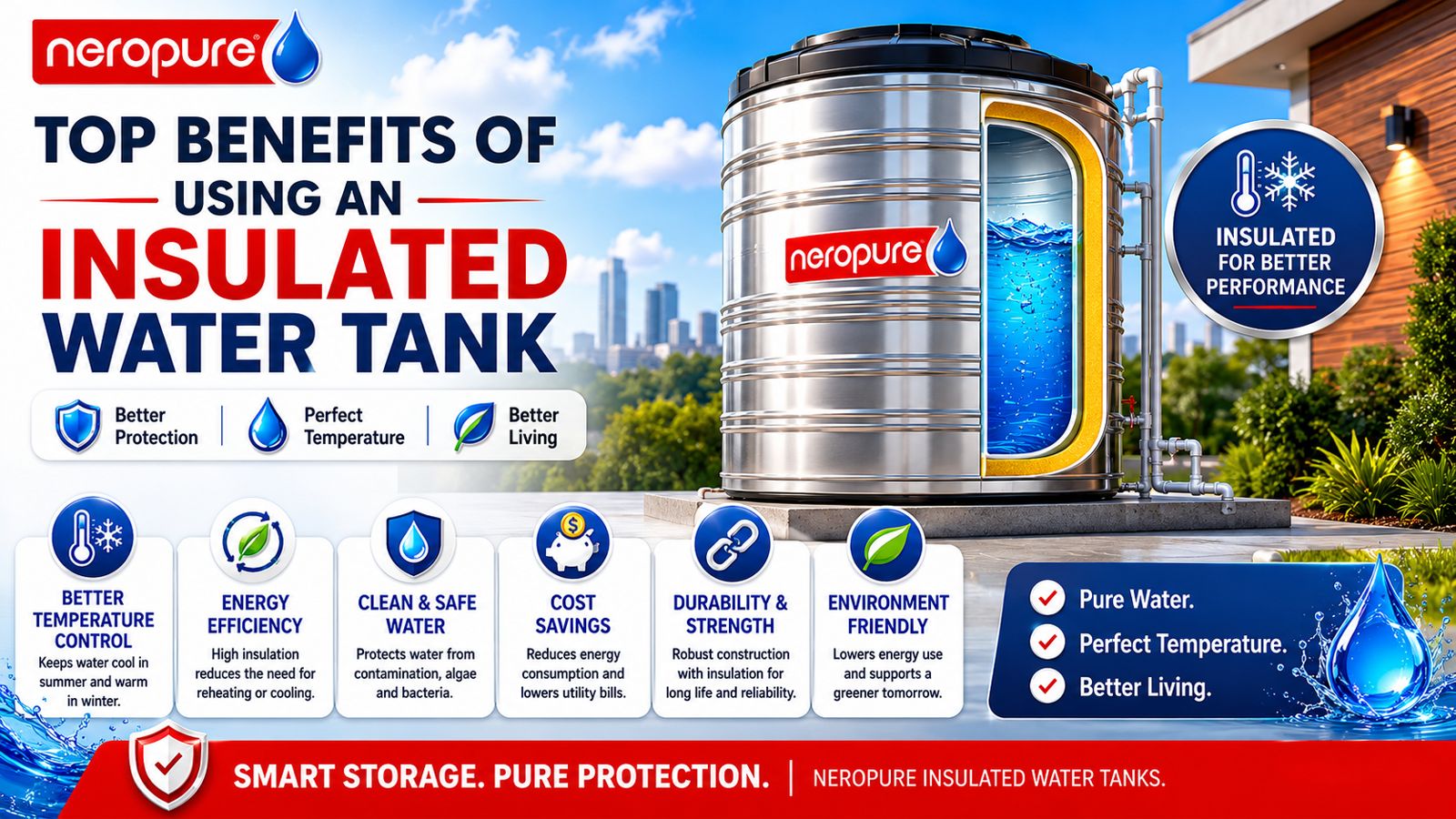
An insulated Stainless Steel Tank can help reduce heat transfer and maintain more stable storage conditions. This can be particularly beneficial for residential buildings, commercial facilities, healthcare institutions, and hospitality establishments where water quality and user comfort are important considerations.
Insulation may also contribute to greater energy efficiency in applications where temperature management is required.
Focus on Hygiene and Water Quality
One of the primary reasons many property owners choose stainless steel is its hygienic nature. Water storage systems should be designed not only for capacity but also for maintaining the quality of stored water.
The smooth surface of stainless steel makes cleaning easier and supports better sanitation practices. Because stainless steel is non-porous, it is widely used in industries where cleanliness and hygiene are critical requirements.
For households and organizations seeking dependable water storage, selecting a tank designed with water quality in mind can provide significant long-term benefits.
Examine the Design and Fabrication Quality
The performance of an SS Tank depends not only on the material used but also on the quality of fabrication. Well-engineered tanks are designed to deliver structural integrity, efficient water flow, and ease of maintenance.
Pay attention to welding quality, reinforcement design, inlet and outlet positioning, drainage arrangements, and inspection access. A thoughtfully fabricated tank is easier to maintain and better equipped to withstand years of continuous use.
Professional manufacturing processes and quality control measures contribute directly to product reliability and customer confidence.
Plan for Future Requirements
Water demand often changes over time. A growing family, property expansion, increased occupancy, or evolving operational requirements can create a need for additional storage capacity.
When evaluating tank options, consider not only your current needs but also potential future demand. A scalable approach can help avoid costly upgrades and modifications later.
Future-focused planning is particularly important for commercial properties, housing societies, educational institutions, and industrial facilities where water consumption patterns may change significantly.
Why Stainless Steel Tanks Are Becoming a Preferred Choice
The growing demand for Stainless Steel Tanks is largely driven by their combination of durability, hygiene, corrosion resistance, and long-term performance. As awareness around water quality continues to increase, more property owners are prioritizing storage solutions that support safe and reliable water management.
Many users also appreciate the sustainability advantages associated with stainless steel, including its longevity and recyclability. These qualities make stainless steel a practical investment for modern water storage requirements.
Conclusion
Choosing the right SS Tank is not simply about selecting a storage capacity—it is about investing in a water storage solution that aligns with your property's current and future requirements. Factors such as daily water consumption, installation space, stainless steel grade, water source, insulation needs, and fabrication quality all play a vital role in determining the tank's long-term performance.
A well-designed Stainless Steel Tank offers more than reliable storage. It supports better water hygiene, enhanced durability, lower maintenance requirements, and greater peace of mind. Whether you are planning water storage for a home, apartment, commercial establishment, healthcare facility, educational institution, or industrial operation, making an informed choice can significantly improve efficiency and water quality over time.
By carefully evaluating your requirements and choosing a professionally engineered solution, you can ensure dependable water storage for years to come. If you're unsure which SS Tank best suits your needs, consulting experienced water storage specialists can help you identify a solution tailored to your application, space, and usage patterns.
Frequently Asked Questions
What is an SS Tank?
An SS Tank is a stainless steel storage tank designed to safely store water and other liquids. It is valued for its corrosion resistance, durability, and hygienic properties.
Is a Stainless Steel Tank suitable for drinking water storage?
Yes. Stainless steel is widely used for potable water applications because it is durable, corrosion-resistant, and capable of maintaining water quality when properly manufactured and maintained.
How do I choose the right SS Tank capacity?
The ideal capacity depends on factors such as daily water consumption, number of users, backup storage requirements, and future expansion plans.
Which stainless steel grade is commonly used for water tanks?
SS304 is widely used for general water storage applications, while SS316 may be selected for environments with higher chloride exposure or more demanding operating conditions.
Do SS Tanks require regular maintenance?
Like any water storage system, periodic inspection and cleaning are recommended. However, stainless steel tanks are generally known for their durability and relatively low maintenance requirements.
Can an SS Tank be used for both residential and commercial applications?
Yes. Stainless steel tanks are suitable for homes, apartments, schools, hospitals, hotels, commercial buildings, and industrial facilities, depending on the design and capacity requirements.
Choose a Water Storage Solution Built for Long-Term Reliability
Selecting the right SS Tank involves balancing capacity, installation conditions, material quality, water source characteristics, and future storage requirements. A carefully chosen Stainless Steel Tank can support cleaner water storage, dependable performance, and long-term peace of mind.
If you are evaluating a water storage solution for your home, commercial property, or institution, consulting with experienced specialists can help identify the most suitable tank configuration for your specific needs. The right decision today can contribute to safer, more reliable water storage for years to come.


Write a comment ...