
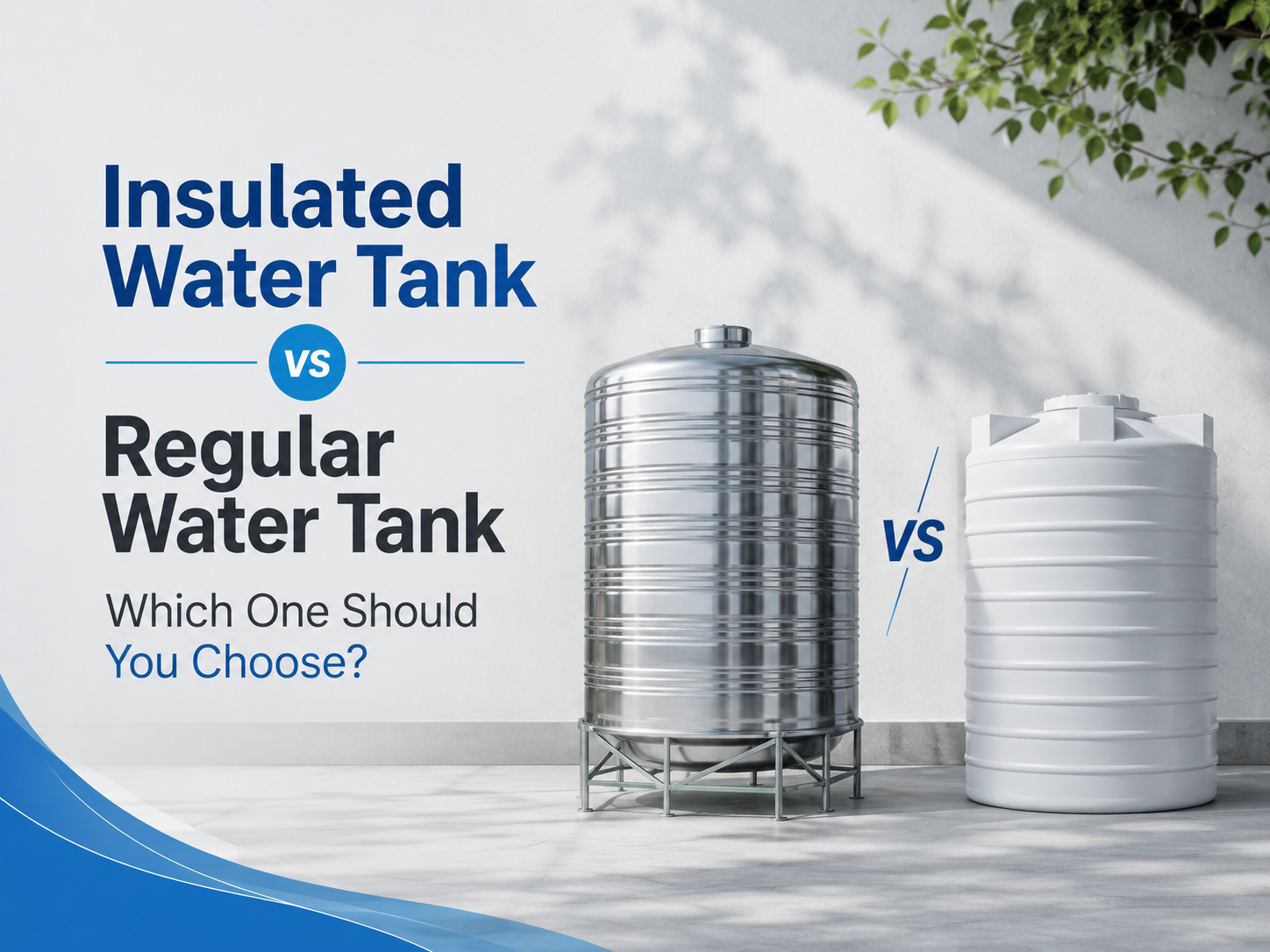
An Insulated Water Tank represents a strategic upgrade over traditional storage systems — especially in environments exposed to extreme temperatures and variable weather conditions. Whether for residential, commercial, or industrial use, insulated tanks help maintain consistent water temperature, improve operational performance, and deliver long‑term cost savings through enhanced efficiency and durability.
What Is an Insulated Water Tank?
An insulated water tank is a storage system engineered with a thermal barrier that minimizes heat transfer between the stored water and the surrounding environment. By encapsulating the tank with insulation materials (such as foam, polyurethane, or other high‑R‑value mediums), the system significantly reduces thermal gain or loss, preserving water quality and temperature over time.
1. Superior Temperature Stability
One of the core benefits of insulated tanks is their ability to maintain stable internal temperatures regardless of external conditions.
In hot climates, insulation minimizes heat absorption, helping water remain cooler.
In cooler regions, it protects water from dropping below optimal temperatures.
This makes insulated storage indispensable for temperature‑sensitive applications where even modest fluctuations can compromise performance or safety.
2. Enhanced Energy Efficiency & Reduced Operational Load
By minimizing heat loss (or gain), insulated water tanks significantly reduce the need for auxiliary heating or cooling systems.
This means:
Lower energy consumption
Reduced load on HVAC and temperature‑control systems
Reduced carbon emissions associated with heating/cooling needs
Industrial operations especially benefit, as stable water temperatures reduce energy costs over time and improve sustainability metrics.
3. Extended Equipment Life & Maintenance Savings
Insulation helps protect tank materials from excessive thermal cycling — a key factor in wear and tear.
Benefits include:
Less structural stress from daily temperature swings
Reduced risk of cracking, warping or material fatigue
Lower rates of corrosion and condensation‑related damage
By mitigating these wear factors, insulated systems can offer a longer service life with fewer interventions, saving both time and maintenance costs.
4. Improved Water Quality & Hygiene
Consistent temperature control has a direct impact on water quality:
Slower growth of bacteria, algae, and microbial contaminants
Less condensation buildup on the tank interior
Reduced risk of chemical reactions that occur with frequent temperature swings
Maintaining stable temperatures is especially important for potable water or process water applications where hygiene and safety standards are paramount.
5. Greater Reliability in Extreme Conditions
Insulated water tanks help prevent operational disruptions during extreme weather:
Avoids freezing in sub‑zero conditions
Prevents overheating in high heat exposure
Improves resilience during summer peaks and winter lows
This reliability is crucial for residential water supply systems, emergency reserves, and industrial processes that demand continuous operation.
6. Sustainable & Environmentally Responsible Storage
The reduced need for active cooling or heating makes insulated tanks inherently more energy‑efficient and eco‑friendly. By stabilizing temperatures passively, they contribute to lower greenhouse gas emissions and support sustainability goals — making them a sound choice for green building initiatives and eco‑conscious stakeholders.
Frequently Asked Questions (FAQs)
Q1. How does an insulated water tank work?
An insulated tank incorporates layers of thermal insulation that limit heat transfer with the outside environment. This creates a thermal buffer that helps stabilize water temperature without additional energy input — lowering heat loss and reducing energy usage.
Q2. Why is temperature control important in water storage?
Consistent temperature helps preserve water quality, prevents microbial growth, and ensures reliability for uses ranging from drinking water to industrial process water. Temperature fluctuations can accelerate contamination and decrease energy efficiency.
Q3. Are insulated water tanks suitable for both hot and cold climates?
Yes — insulated tanks are effective in extreme heat and cold. Proper insulation reduces heat ingress in hot regions and heat loss in cooler conditions, making them versatile across geographical zones.
Q4. Do insulated tanks last longer than traditional tanks?
Because insulation reduces stress from thermal cycling, insulated tanks tend to have longer structural life, fewer leaks, and reduced corrosion compared to non‑insulated alternatives.
Q5. Why choose a high‑quality steel tank with insulation?
Steel tanks offer superior strength, corrosion resistance, and hygiene, especially when paired with quality insulation — making them ideal for potable water storage, industrial applications, and high‑demand environments.
Final Thought
Investing in an insulated water tank is not just about storing water — it’s about protecting water quality, enhancing system longevity, improving energy efficiency, and ensuring operational stability in every condition. For sustainable water management and dependable performance, insulated storage stands as a robust solution for homes, businesses, and industries alike.


Write a comment ...